

MENU
How Appear Healthy Gingiva?
• Orange peel appearance , coral pink color,
• A uniform gingival border surrounding the teeth at the beginning of the root and following their contours
• No redness, swelling or infection,
• No gingival bleeding afternormal brushing andusing dental floss ,
• No feeling of discomfort,
• Sturdy and tough-looking gums .
How appear Inflamed Gingiva ?
• Gingival bleeding Spontaneously or while using brush — dental floss
• Redness, swelling and irregular appearance in the gums,
• A slight pain when pressing on the gums, inflammation leaking from the gums and / or tenderness in the area of the tooth ,
• Gingival rétractions and tenderness on exposed root surfaces,
• Black areas due to tartar on the marginal gingiva,
• Swinging, elongation in teeth and gap between the teeth
• When you close your mouth, feeling of change in your closing
• Inflammation-related malodour and badtaste,
• Itching sensation (in gums)
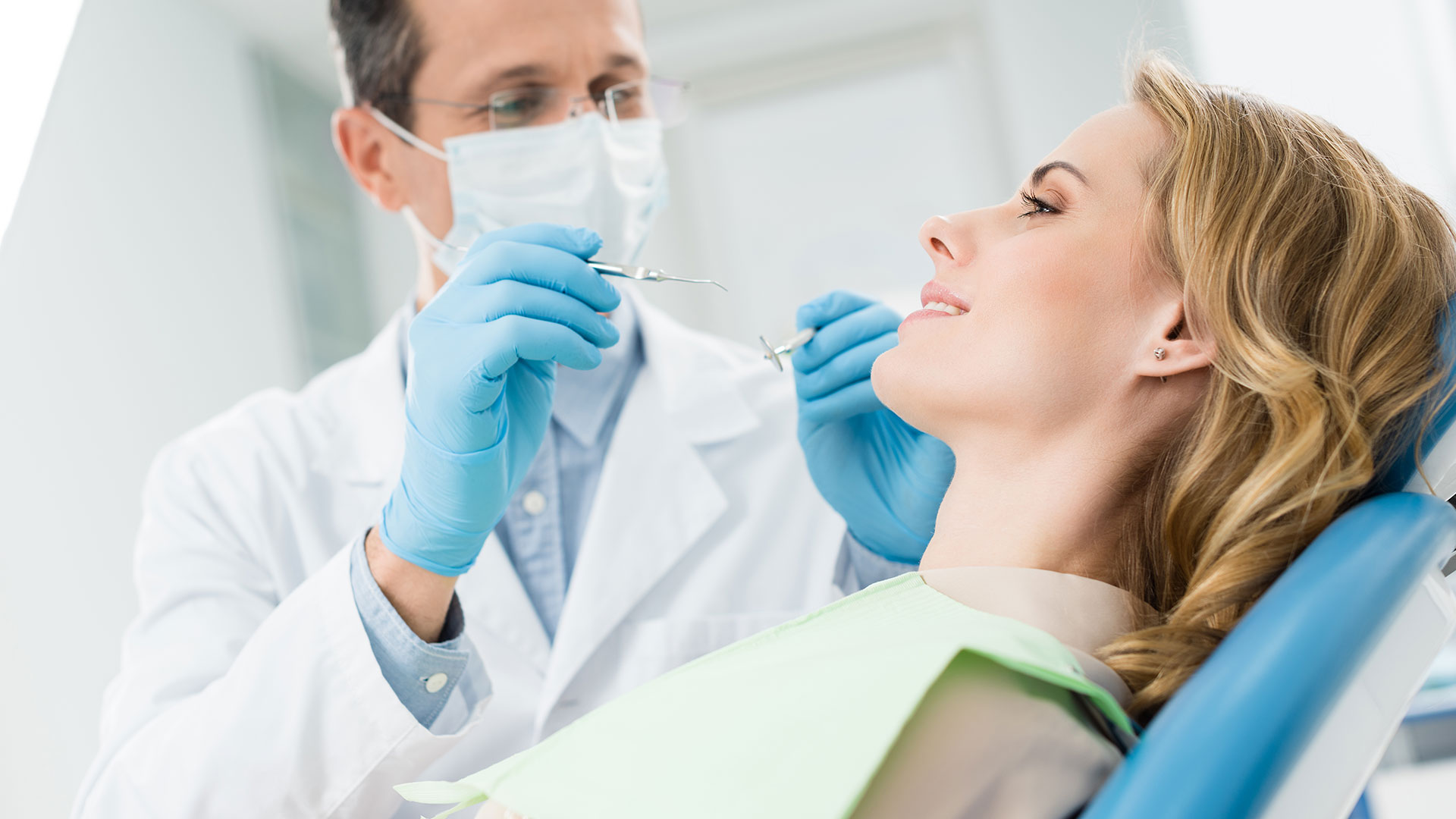
The main cause of periodontal diseases is a sticky transparent layer that is firmly attached to the tooth called a bacterial plaque. You can notice the plaque by scratching your teeth with your nail . Between 200 and 500 million bacteria are found per milligram of plaque . In addition, the following factors affect your dental health .
CIGARETTE As we all know, cigarette causes a lot of important diseases such as cancer, lung, heart diseases. Apart from all these, it is very harmful for oral mucosa and gums .
GENETIC FACTORS There is a 30% genetic predisposition according to the research . Also 6 times more likely to develop gum disease increases with poor oral care. If there is a person with a gum problem in the family, you should definitely be examined by a periodontist .
HORMONAL CHANGES When hormonal changes such as pregnancy, puberty, menopause, menstruation are intense, you also need to take care of oral hygiene . Your gums will be more sensitive during this period .With it increasing susceptibility to periodontal diseases .
STRESS While hypertension is one of the causes of many diseases such as cancer , it is one of the risk factors for periodontal disease. Research has shown that stress, including in periodontal diseases, makes it harder to combat infection of the body .
DRUG USE Birth control pills, antidepressants, heart medicines affect your oral health . So if you are using one of these medications, please inform your dentist and pay special attention to oral hygiene .
CLENCHING OR GRINDING TEETH Reduction of strength between teeth and gingiva cause periodontal tissue destruction . One of the reasons for the gingival recession is clenching teeth .It is absolutely necessary to stop this clenching by wearing a night-guard .
DIABETES DISEASE People with diabetes enter the high risk group for periodontal infection .They should also take care of oral hygiene by making routine gingival checks to a periodontist .
MALNUTRITION to weaken the immune system and accordingly makes the body's fight against infections difficult , including periodontal infection .
BAD MADE CROWN , BRIDGE AND FILLING Stepped into the gingival and flooded filling , crown or bridges create problems in gingival .
GINGIVITIS
It's the simplest form of periodontal disease. Causes gingival to be red and swollen . Gingival bleeds quickly. Usually the patient does not feel much discomfort in this phase . With professional treatment and good care, gum health can be restored. If your oral hygiene is insufficient, gingivitis begins to progress towards periodontitis .
AGGRESSIVE PERİODONTİTİS
In this type, at first glance, there appears to be no problem. But in contrast there is subject to aggressive progression of the disease . May not respond to gum treatment and it may need to be supplemented with antimicrobial (antibiotic) therapy .
CHRONIC PERİODONTİTİS
There is progressive attachment ( tissue between tooth and gum ) and loss of bone as result of inflammation in dental supportive tissues . It is characterized by pockets and recession in the gums. It is the most common type of periodontitis .Although it appears mostly in adults , it can occur at any age . Attachment loss is usually slow, but rapid progression periods can also be seen
PERIODONTITIS AS A MANIFESTATION OF A SYSTEMIC DISEASE
More often seen in young people with a systemic disease like sugar.
NECROTISING PERİODONTİTİS
There is necrotizing character inflammation in the alveolar bone ( bone tissue surrounding the tooth ) , periodontal ligament ( fibrous connective tissue covering the root to the alveolar bone ) and gingival . It observed more frequently in people who has a week immune system, malnutrition and carrying the AIDS virus
How does treatment work ?
In the treatment of periodontal disease, the depth of the pockets between the teeth and the gingiva must be measured by a special tool. Diagnosis is made according to the amount and depth of these pockets and treatment is planned.The goal of treatment is to shallow them as possible, since the deep pockets will create a suitable environment for rapid progression for periodontal disease . Because it is impossible for you to completely clean microorganisms in deep pockets by brushing and using dental floss.
The treatment to be applied according to the level of your periodontal disease is as follows:
MORE FREQUENT TARTAR SCALING Routine cleaning and checking is done every 6 months, and people with periodontal disease or those who are inclined to it is cleaned at shorter intervals that the doctor will determine.The microorganisms in the plaque that settles to the pockets multiply enough to cause damage to the bone within 3 months.Frequent tartar scaling prevents this accumulation and prevents damage to the bone.
In this respect it is very important to apply hygiene education , to be provided by your physician or hygienist , correctly and completely.
ROOT SURFACE REDUCTION (PERIODONTAL CURETTE - CURETTAGE ) Root surface reduction , commonly known as curettage, is the process of excavation of attachments that are attached to the root surface with the help of special curette, removal from the surface and ensuring that the gum is attached again to the root surface by releasing the healthy root surface .
GINGIVECTOMY AND GINGIVOPLASTY In some cases, gingival enlargements are observed as inflammatory, drug-induced or hereditary . If this gingival growth is not accompanied by bone formation or if there are no defects at the depth required to form the bone , we can remove the gingival enlargements by cutting the soft tissue wall of the pocket between the teeth and gums. This process is called Gingivectomy . After this procedure, gingivoplasty is usually performed to restore normal physionomy of gingiva with surgical methods.
GINGIVAL FLAP SURGERY If periodontal pockets cannot be curetted by curettage and cannot shallow by root surface reduction , the gingiva forming the pocket is surgically removed. In very deep pockets, the gums are lifted as a whole and the required root surface reduction is performed, closed and secured in place with stitches . If it is necessary to support the molten at this stage or if it is thought to be able to create bone in that area , it is tried to recover the lost tissue by placing hard tissue grafts or bone particles obtained from the patient's own tissue in the defect area.
CROWN LENGTHENING
It is a simple operation to extend the remaining portions above the gum line of teeth ( visible parts in the mouth ) . In some cases, caries or broken gingival reaches below the level or length of the tooth is too short .In similar cases , retention of prosthetic (crown, bridge, etc.) treatments to be performed and for gingival health it is necessary to extend the level of the gingival to the root part .
TISSUE GRAFT
Soft tissue graft: It is the process to cover the significantly gingival recessions , occurred one or several teeth due to anatomical errors or gingival diseases , misuse of toothbrush , with soft tissue fragments taken from a different area of the mouth ( usually the palate ) . Made generally for aesthetic purposes or in some cases , the progression of gum disease for protective purposes .
Hard tissue graft : In areas where bone loss is at an advanced dimension during flap operations, bone formation is induced by artificial or natural bone dust applications.
Aesthetic Gingival Applications
Even the most beautiful teeth do not look attractive if they are not framed by healthy, properly shaped gums . Non-aesthetical gums can be corrected with treatments and small operations in the gums .
Unhealthy Gingival : Periodontal disease causes gums to appear red, swollen and shiny. They must be treated absolutely before aesthetic dentistry procedures.
Gummy Smile : In cases when they smile , the gums seem too much ;whether or not any aesthetic dentistry will be performed ,a gentle smile can be obtained by removing excess gums with a small operation to be performed .
Gingival Recession: After gingival recession some teeth may appear to be too long, the root surfaces of these teeth being exposed . In such a case, gingival treatment should first be performed and these openings should be closed with soft tissue grafts.
Irregular Gingival Margins : Gums that frame the teeth may be located too high or too low ( recession , delayed eruption , defects from tooth loss , etc.) . Before proceeding with the aesthetic procedures the gum margins have to be put in ideal position .
Gingival Pigmentation : Due to physical injury or naturally gum tissues may have differently pigmented areas . If they are in the smile frame , they have to be removed .
Matters to be Considered For Healthy Teeth
• Brush your teeth properly every day and use floss,
• Eat a balanced diet , Avoid empty calories and very sticky foods ,
• Learn to self-examination of and do this routinely. So you can catch the first signals of any oral or dental change,
• Go to the dentist at least twice every year to make a check and tartar scaling.